Asafo Companies of Oguaa – History & Meaning
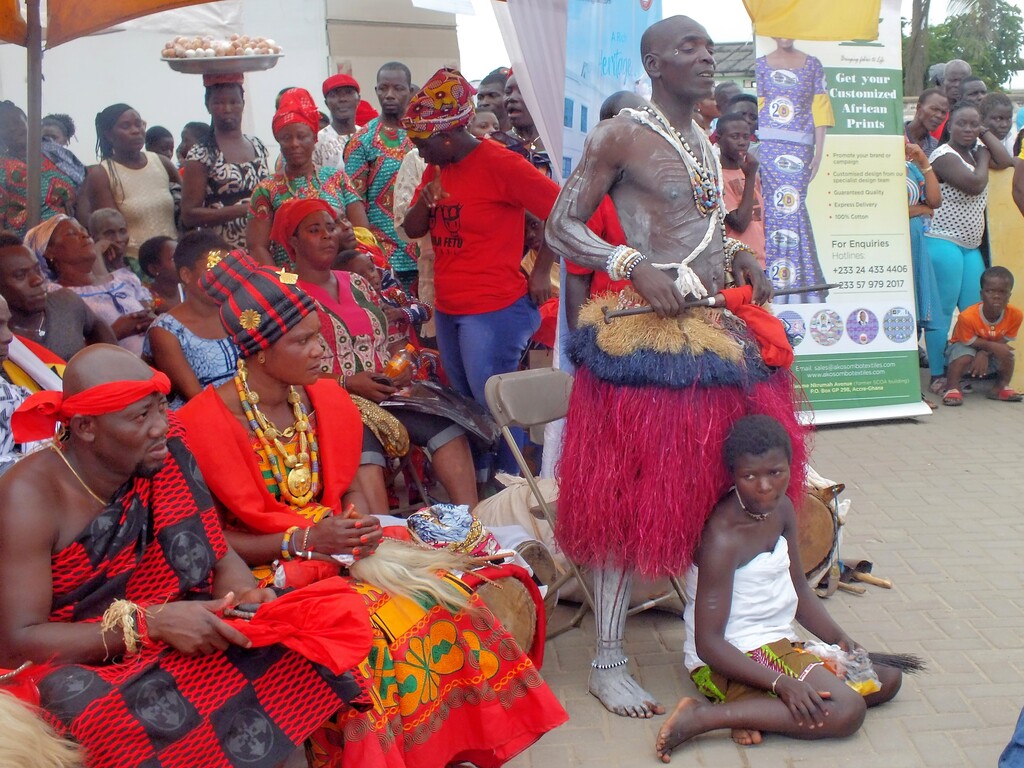
Remo Kurka - The Asafo companies of Oguaa are among the oldest and most respected institutions in Cape Coast. They are not merely traditional groups or ceremonial performers — they are the historic military, social, and cultural backbone of the Oguaa people. Their presence during the Fetu Afahye Festival is more than symbolic; it is a living reminder of centuries of protection, identity, and community strength.
To understand Cape Coast, one must understand its Asafo.
Oguaa - Cape CoastSearch our Network. Start here.
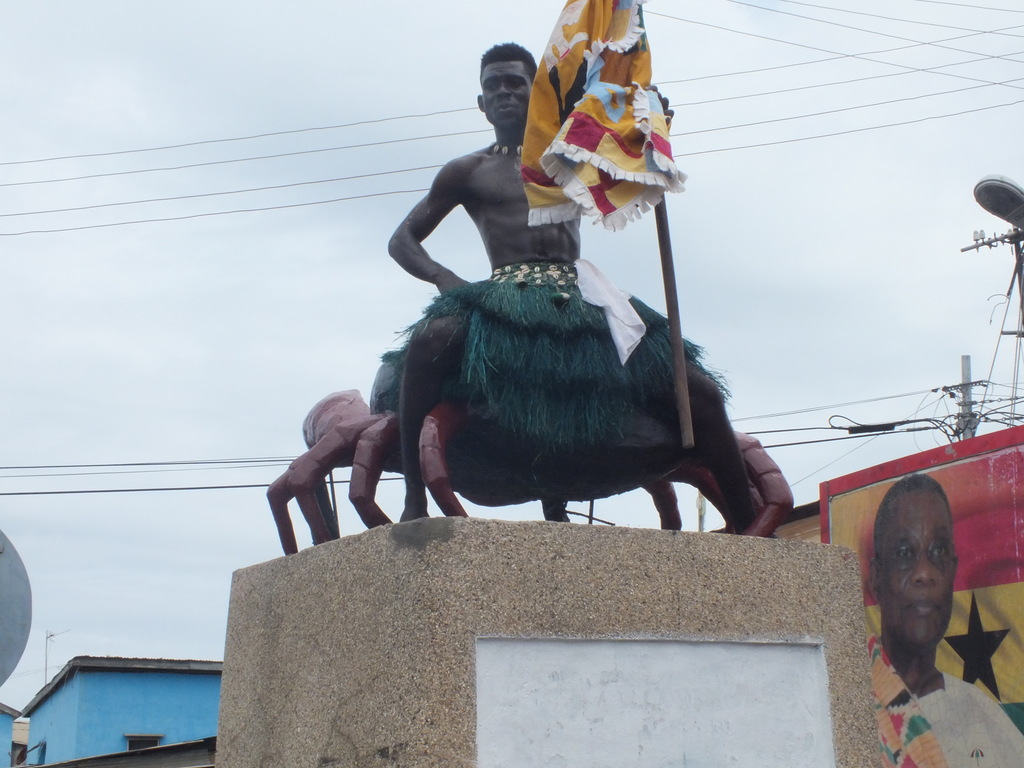
Asafo Company and a Asafo Flag. Oguaa Fetu Afahye Festival, The Crab: Symbol of Oguaa Identity. Among all symbols associated with Cape Coast, none is more iconic than the crab. The crab is the emblem of the Oguaa people (c) Remo Kurka
Origins of the Asafo Tradition
The word Asafo comes from the Fante expression “safo”, meaning war group or war people. Historically, Asafo companies served as the military units responsible for defending the town, protecting trade routes, and maintaining order. Long before colonial rule, these companies were the frontline defenders of Oguaa, guarding the coastline, the lagoon, and the surrounding settlements.
As Cape Coast grew into a major trading center, the Asafo played a crucial role in:
protecting merchants
resolving disputes
enforcing community laws
safeguarding shrines and sacred sites
supporting chiefs and traditional priests
Their influence shaped the political and social structure of Oguaa for generations.
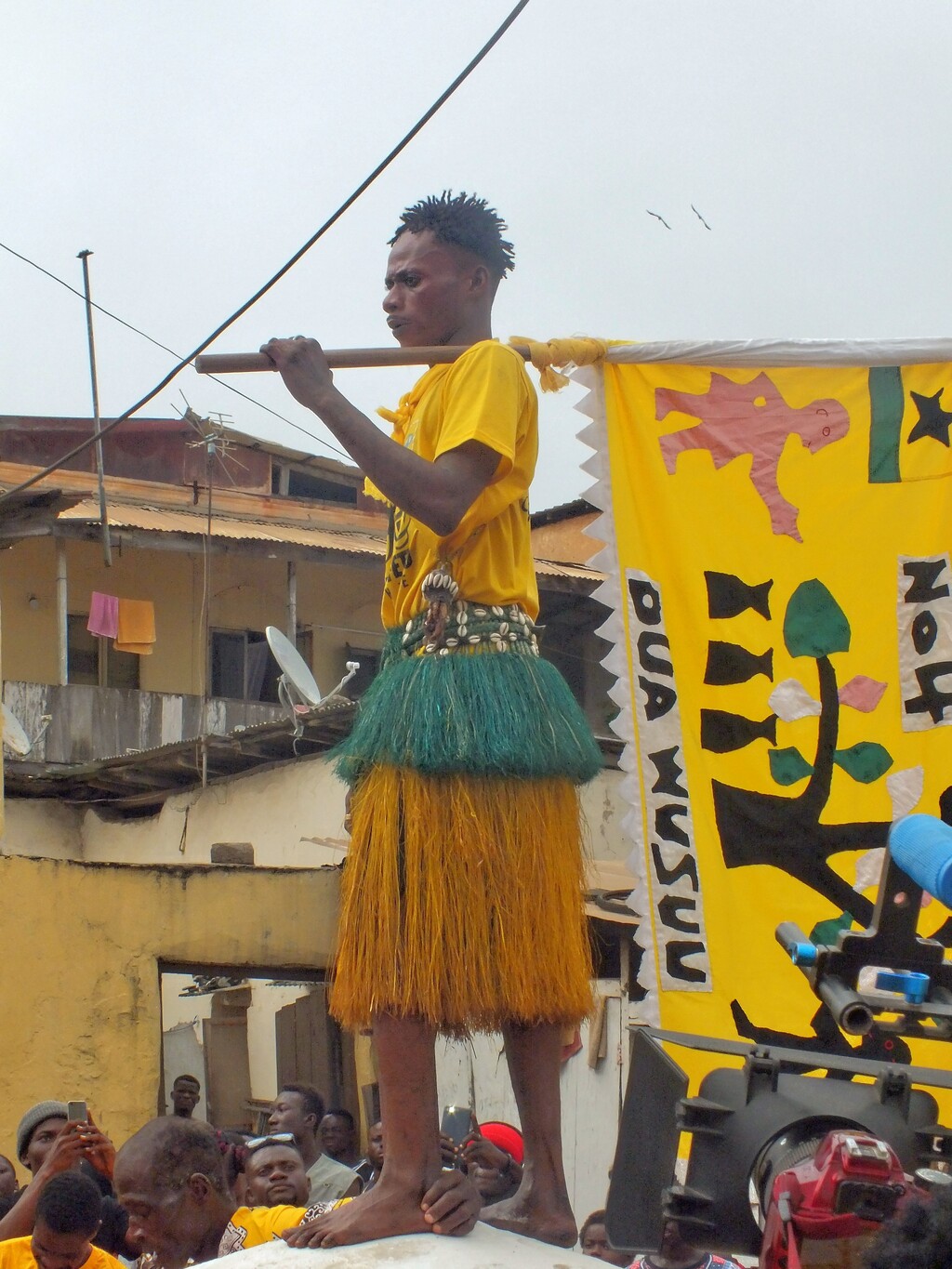
The Asafo companies of Oguaa are more than traditional groups. They are the guardians of Cape Coast’s heritage, the protectors of its spiritual identity (c) Remo Kurka
The Asafo Companies of Cape Coast
Oguaa traditionally recognizes several Asafo companies, each with its own identity, colours, symbols, and historical responsibilities. Their flags often depict powerful imagery — warriors, animals, historical scenes, and spiritual symbols — expressing the company’s values and achievements.
Each company maintains:
its own leadership
its own shrine
its own rituals
its own regalia
its own role during festivals
Together, they form a unified but diverse system of community protection.
The Crab: Symbol of Oguaa Identity
The Asafo companies proudly carry the crab, the official symbol of Oguaa. The crab represents resilience, adaptability, and readiness — qualities essential for a coastal community that has faced war, migration, and colonial disruption.
The crab’s sideways movement symbolizes strategic thinking and flexibility. Its claws represent defence and vigilance. For the Asafo, the crab is not just an emblem; it is a declaration of identity.
Asafo and the 77 Gods of Oguaa
The Asafo companies are deeply connected to the spiritual world of Oguaa. Many of the 77 gods are linked to specific shrines maintained by Asafo groups. During Fetu Afahye, the Asafo accompany priests during libation rituals, protect sacred objects, and ensure that the spiritual order of the festival is respected.
Their role is both physical and spiritual — guardians of the community and custodians of tradition.
The Asafo in the Fetu Afahye Festival
During the festival, the Asafo companies take center stage. Their colourful processions, drumming, dancing, and regalia bring the streets of Cape Coast to life. Each company marches with pride, displaying its flags, symbols, and historical achievements.
Their responsibilities during the festival include:
leading processions
protecting chiefs and priests
maintaining order
performing traditional dances
honouring ancestral spirits
presenting their flags and regalia
The Asafo presence transforms the festival from a cultural event into a living historical experience.
Modern Role of the Asafo Companies
Today, the Asafo companies continue to play an important role in Cape Coast’s cultural and social life. They support community events, assist during funerals, maintain shrines, and preserve historical knowledge. Their leaders are respected figures who uphold tradition and guide younger generations.
Despite modernization, the Asafo remain a vital part of Oguaa identity — a link between the past and the present.
A Living Legacy
The Asafo companies of Oguaa are more than traditional groups. They are the guardians of Cape Coast’s heritage, the protectors of its spiritual identity, and the carriers of its historical memory. Their presence during Fetu Afahye is a reminder that the festival is not only a celebration, but a continuation of centuries of resilience, unity, and cultural pride.
To witness the Asafo is to witness the heartbeat of Oguaa.