Explore Cape Coast – Visitor Guide
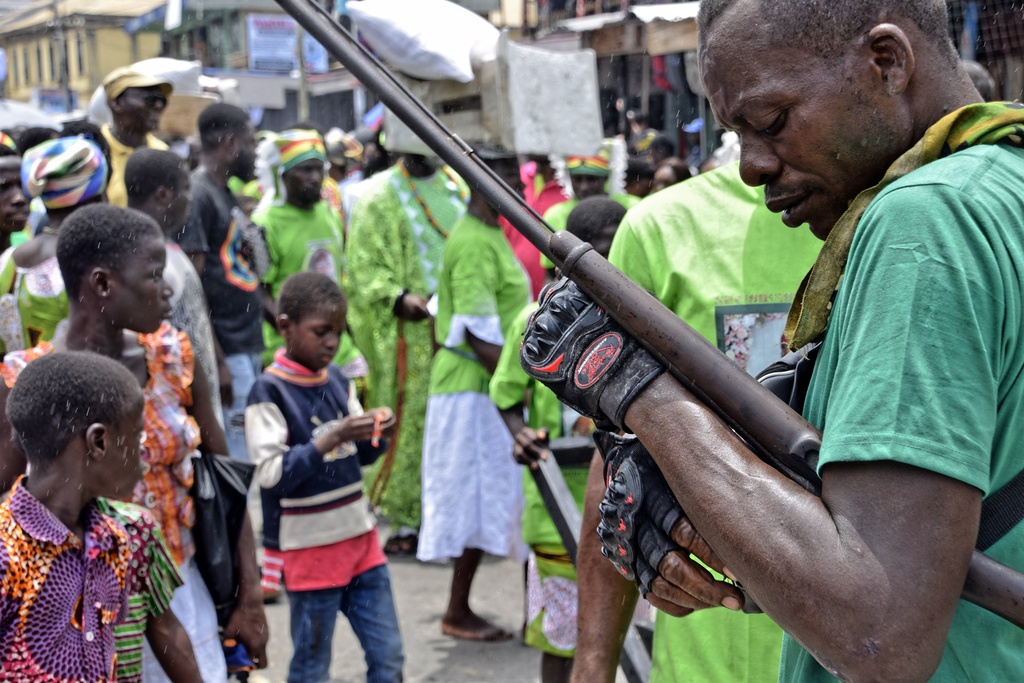
Remo Kurka - Cape Coast is one of Ghana’s most historic and culturally vibrant cities — a place where ancestral heritage, coastal beauty, and living traditions come together. Whether you’re visiting for the Oguaa Fetu Afahye Festival or exploring the region year‑round, Cape Coast offers unforgettable experiences shaped by centuries of history and community pride.
This guide gives you everything you need to explore Cape Coast with confidence.
Oguaa - Cape CoastSearch our Network. Start here.
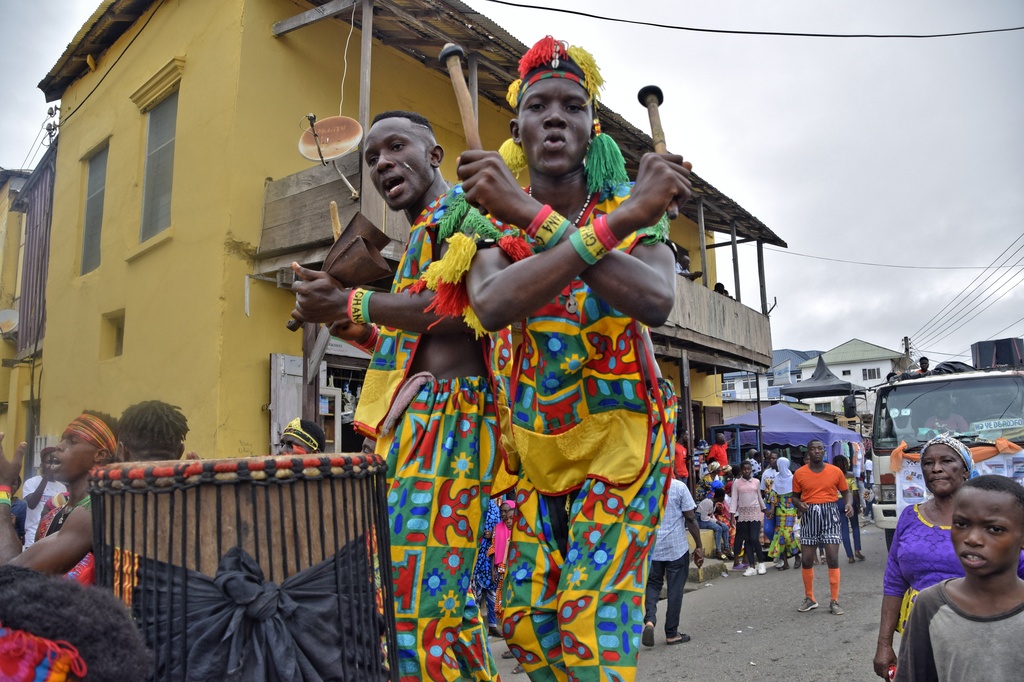
Explore Cape Coast beyond the Oguaa Fetu Afahye Festival. (c) Remo Kurka
1. Cape Coast Castle – A Journey Through History
Cape Coast Castle is one of West Africa’s most important historical landmarks. Built by European traders and expanded over centuries, the castle served as a major center of the trans‑Atlantic slave trade.
Visitors can explore:
the dungeons
the Door of No Return
the museum
the courtyard and ramparts
guided tours with historical context
It is a powerful, emotional experience — essential for understanding Ghana’s history.
Visit: Cape Coast Castle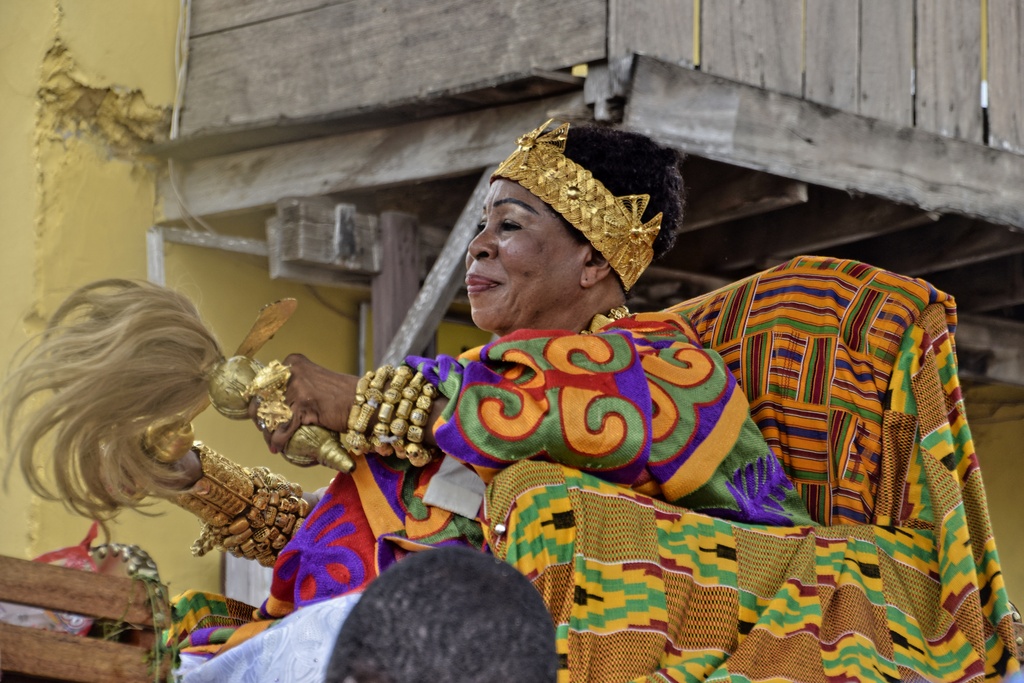
Colorful durbar at the Oguaa Fetu Afahye Festival A Queen mother, a chief. (c) Remo Kurka
2. Elmina Castle – The Oldest European Structure in Sub‑Saharan Africa
Just 12 km away lies Elmina Castle, built in 1482 by the Portuguese. It is the oldest standing European building in West Africa and a UNESCO World Heritage Site.
Together, Cape Coast and Elmina form the heart of Ghana’s historical coastline.
Visit: Elmina Castle & Elmina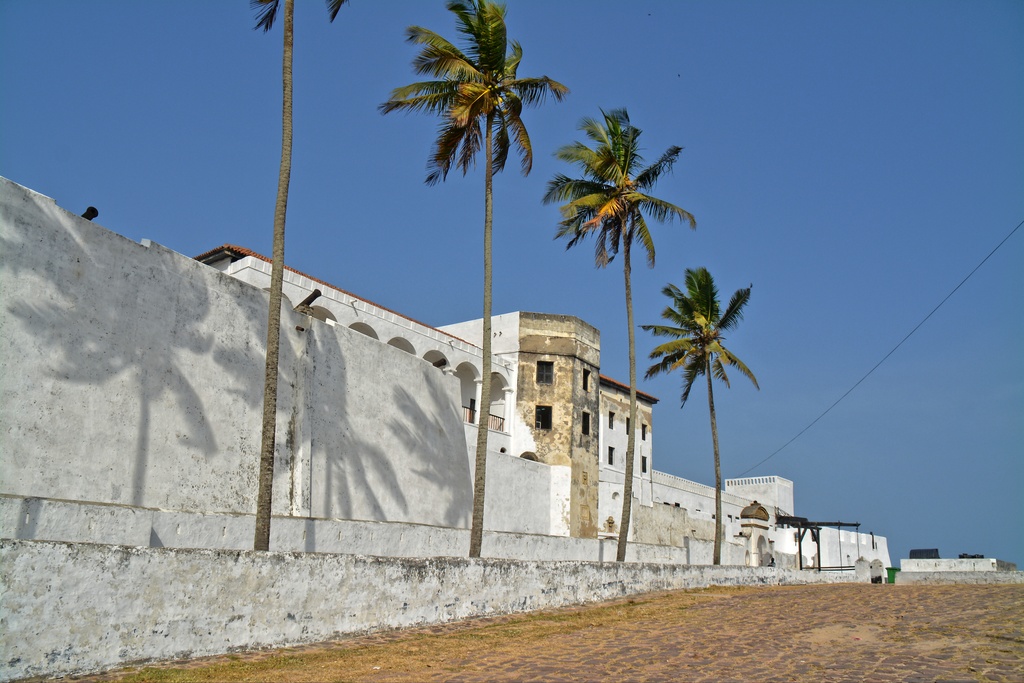
Elmina Castle, was there long before Cape Coast Castle (c) Remo Kurka
3. The Fosu Lagoon – Sacred Waters of Oguaa
The lagoon is central to the Oguaa Fetu Afahye Festival. It is the site of:
the Lagoon Opening Ritual
the Canoe Race
ancestral purification ceremonies
Visitors can walk along the lagoon’s edge and experience the spiritual atmosphere that shapes the festival.
4. Asafo Companies & Cultural Heritage
Cape Coast is home to historic Asafo companies — traditional warrior groups that protect the community and preserve cultural identity. Their flags, shrines, and processions are visible throughout the city, especially during festivals.
5. Beaches & Coastal Life
Cape Coast offers beautiful beaches with warm waters and relaxed atmosphere:
Brenu Beach
Oasis Beach
Biriwa Beach
Anomabo Beach
Perfect for swimming, relaxing, or enjoying fresh seafood.
6. Kakum National Park – The Canopy Walkway
Just 30 minutes from Cape Coast, Kakum National Park features:
the famous Canopy Walkway
rainforest trails
wildlife viewing
guided tours
It’s one of Ghana’s top eco‑tourism destinations.
Visit: Kakum National ParkKakum National Park. Photo and video (c) Remo Kurka
7. Cape Coast Town – Markets, Food & Daily Life
Explore:
Kotokraba Market
local chop bars
fresh seafood
street food
handmade crafts
traditional textiles
Cape Coast is lively, friendly, and full of authentic Ghanaian culture.
8. Festivals & Events
The biggest event of the year is the Oguaa Fetu Afahye Festival, featuring:
Lagoon Opening
Canoe Race
Asafo Processions
Twin Day
Orange Friday
Grand Durbar
It is one of Ghana’s most important cultural festivals.
9. How to Get to Cape Coast
From Accra:
By car: 3.5–5 hours
By bus: STC, VIP, Metro Mass
By taxi: available but expensive
Road works going on, when coming from Accra, staring at around Kasoa (as of July 2026). However, it is safe for travel.
10. Accommodation
Cape Coast offers a range of hotels:
Brenu Beach Lodge
Oasis Beach Resort
Orange Beach Resort
Anomabo Beach Resort
Hans Cottage Botel
Book early during festival season — rooms fill fast.
Cape Coast: A City of Heritage, Spirit & Beauty
Cape Coast is more than a destination — it is a living cultural landscape. From historic castles to sacred lagoons, from Asafo traditions to modern festival celebrations, the city offers experiences found nowhere else in Ghana.
Whether you come for history, culture, or the Fetu Afahye Festival, Cape Coast welcomes you with open arms.