History of the Crab Symbol – The Identity of Oguaa (Cape Coast)
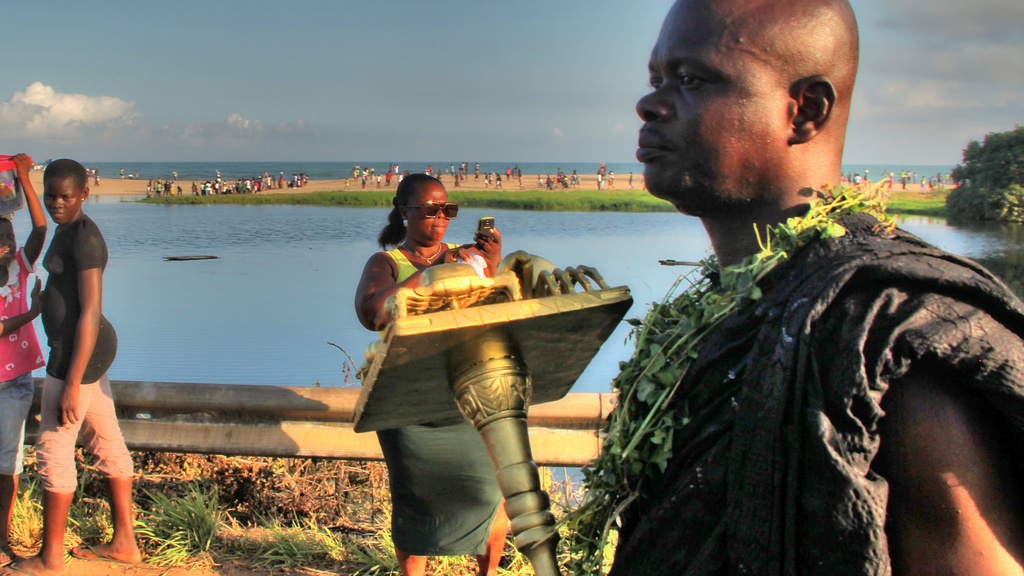
Remo Kurka - The crab is the most iconic symbol of Oguaa — instantly recognizable on Asafo flags, festival regalia, traditional emblems, and cultural artwork across Cape Coast. It is more than an animal, more than a mascot, and more than a decorative motif. The crab is the spiritual and historical identity of the Oguaa people.
To understand Cape Coast, one must understand the crab.
Oguaa - Cape CoastSearch our Network. Start here.
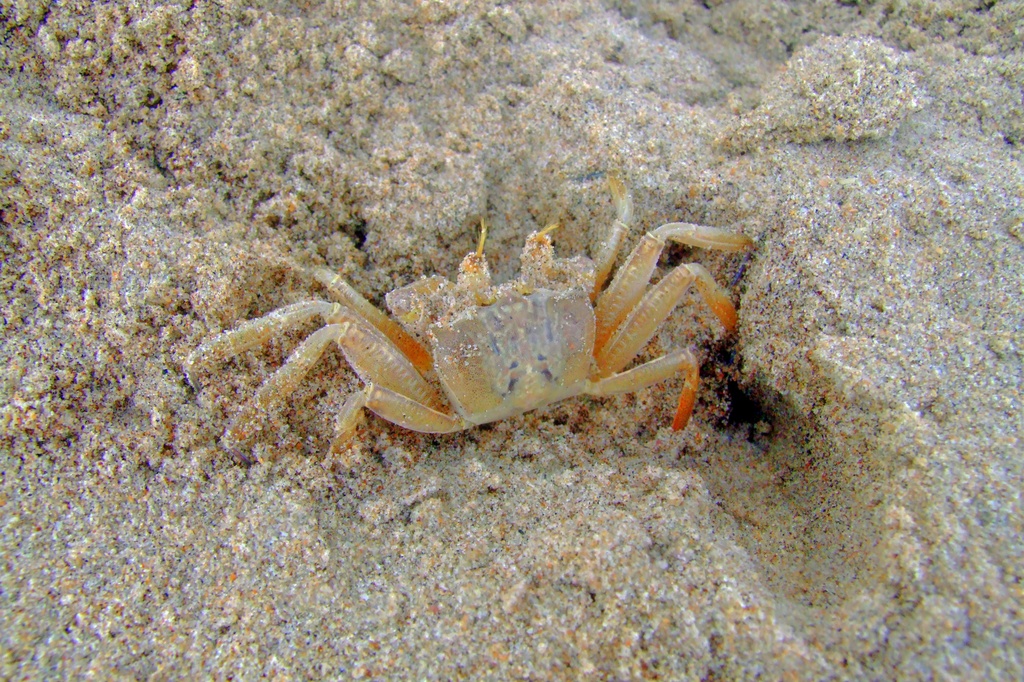
The crab walks sideways. This symbolizes wisdom: approaching challenges indirectly, with intelligence rather than brute force. In Fante cultural philosophy, symbols are not chosen randomly. They reflect character, wisdom, and survival. (c) Remo Kurka
Origins of the Crab Symbol
The crab symbol dates back centuries, long before colonial contact, long before the construction of Cape Coast Castle, and long before written records. It emerged from the earliest clans who settled in the region now known as Oguaa.
These founding families lived between the sea and the lagoon — a landscape where crabs were abundant, resilient, and ever‑present. Over time, the crab became a natural emblem of the community’s identity.
Its meaning grew deeper as Oguaa developed:
a coastal town shaped by water
a trading center shaped by movement
a warrior community shaped by strategy
a spiritual community shaped by ancestral guardians
The crab became the perfect symbol for all of these qualities.
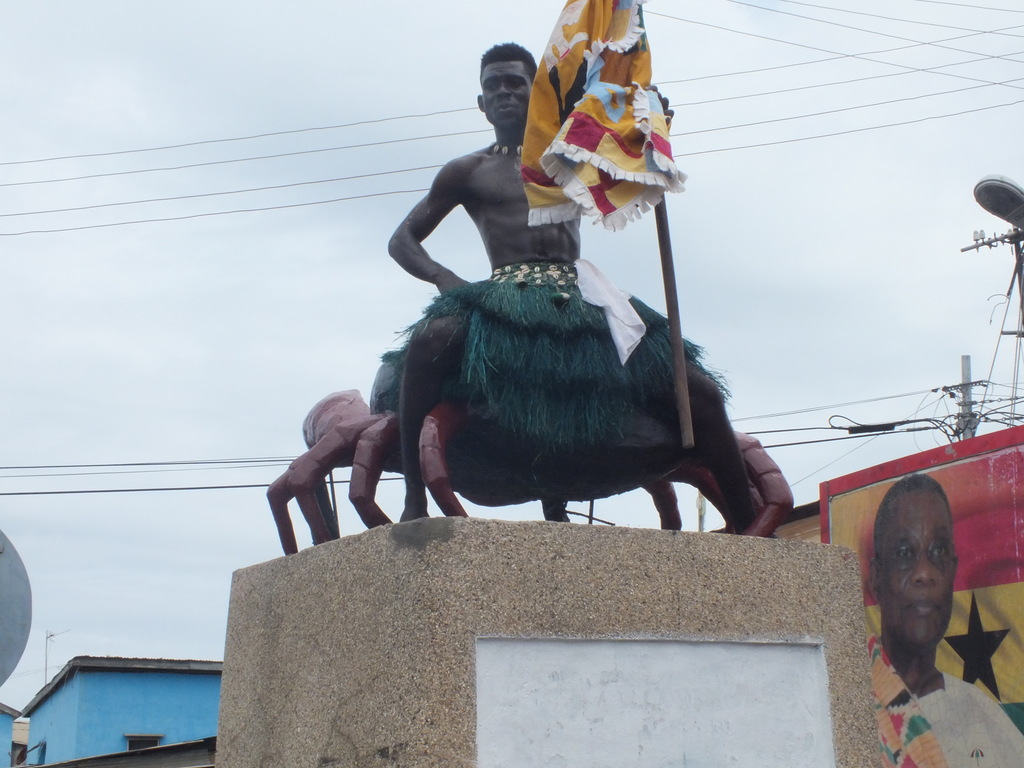
Asafo Companies, Cape Coast (c) Remo Kurka
The Crab in Fante Philosophy
In Fante cultural philosophy, symbols are not chosen randomly. They reflect character, wisdom, and survival. The crab embodies several key traits admired by the Oguaa people:
1. Resilience
The crab survives in harsh environments — rocky shores, tidal waters, and shifting sands. Oguaa, too, has survived war, colonial disruption, and centuries of change.
2. Adaptability
The crab moves between land and water. Oguaa moves between tradition and modernity, between ancestral heritage and global identity.
3. Strategic Movement
The crab walks sideways — never in a straight line. This symbolizes wisdom: approaching challenges indirectly, with intelligence rather than brute force.
4. Defence and Readiness
The crab’s claws represent protection. For Oguaa, this reflects the historic role of the Asafo companies, the warrior groups who defended the town.
The Crab and the Asafo Companies
The Asafo companies of Oguaa adopted the crab as their central emblem. It appears on:
Asafo flags
warrior regalia
shrines
festival banners
traditional artwork
For the Asafo, the crab symbolizes:
vigilance
unity
readiness for defence
strategic thinking
ancestral protection
The crab is not just a symbol — it is a declaration of identity.
The Crab and the 77 Gods of Oguaa
Within the spiritual world of Oguaa, the crab is connected to several of the 77 gods. These deities protect:
the sea
the lagoon
the land
the clans
the Asafo companies
The crab serves as a visual representation of this spiritual protection. It is the bridge between the physical world and the ancestral world.
The Crab in the Fetu Afahye Festival
During the Oguaa Fetu Afahye Festival, the crab appears everywhere:
on festival cloth
on banners
on flags
on decorations
on regalia worn by chiefs and Asafo leaders
It is the symbol that unites the entire festival — a reminder that the celebration is rooted in Oguaa’s identity, history, and spiritual heritage.
The crab is the heartbeat of the festival.
Modern Meaning of the Crab Symbol
Today, the crab continues to represent:
Oguaa identity
Cape Coast pride
cultural heritage
community unity
ancestral strength
It is used in:
tourism branding
cultural education
heritage preservation
festival promotion
local art and design
The crab remains timeless — a symbol that connects past, present, and future.
A Symbol That Lives
The crab is not a relic. It is a living emblem carried proudly by the people of Oguaa.
It represents:
where they come from
who they are
and what they stand for
In every festival, every Asafo procession, every cultural ceremony, and every symbol of Cape Coast, the crab continues to walk — sideways, strong, and unbroken.
The crab is Oguaa. Oguaa is the crab.