The 77 Gods of Oguaa – The Spiritual Heart of Cape Coast
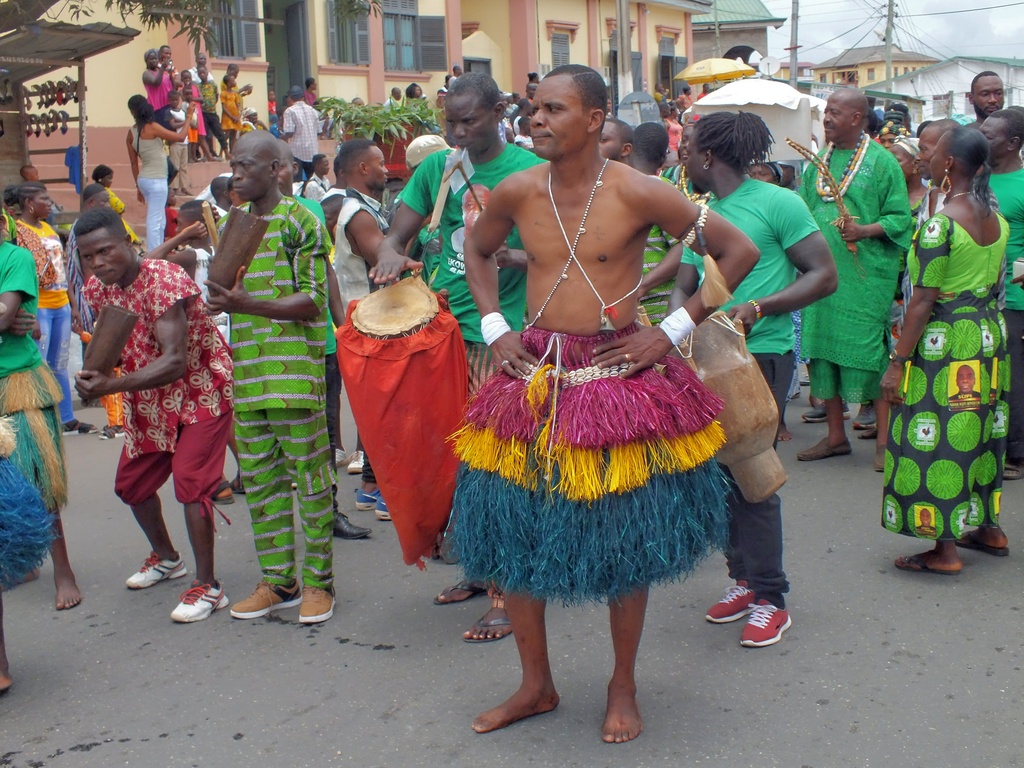
Remo Kurka - The Oguaa Fetu Afahye Festival is built on a foundation far older than colonial records, written history, or modern celebrations. At its core lies a sacred pantheon known as the 77 gods of Oguaa — spiritual guardians who protect the land, the people, and the ancestral identity of Cape Coast. These deities form the invisible architecture of the festival, shaping every ritual, every libation, and every moment of reverence.
To understand Fetu Afahye, one must first understand the gods.
Oguaa - Cape CoastSearch our Network. Start here.
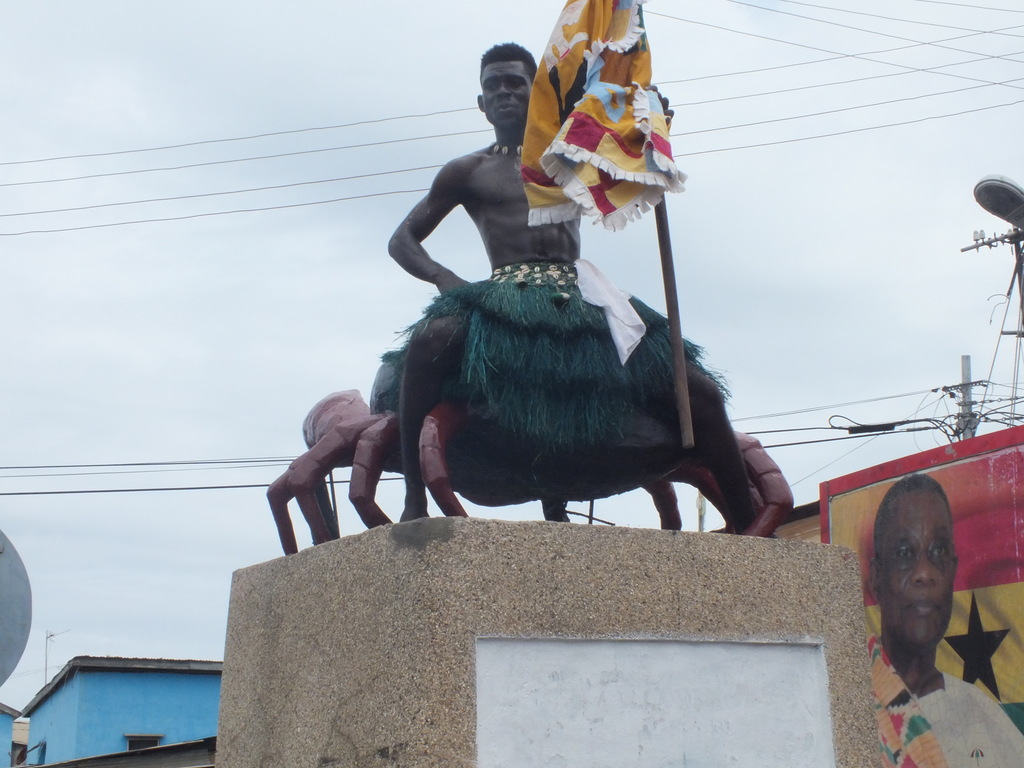
Oguaa Fetu Afahye Festival, The Crab: Symbol of Oguaa Identity. Among all symbols associated with Cape Coast, none is more iconic than the crab. The crab is the emblem of the Oguaa people (c) Remo Kurka
A Pantheon Rooted in Ancestral Memory
The 77 gods are not abstract symbols or decorative mythology. They are living spiritual entities woven into the daily life of the Oguaa people. Each god carries a specific role: some protect families, others guard the sea, the lagoon, the markets, the warriors, or particular neighbourhoods. Together, they form a complete spiritual system that has guided Cape Coast for centuries.
Their origins stretch deep into Fante tradition. Some gods are tied to the founding clans of Oguaa, others to the sea spirits that protect fishermen, and others to the shrines maintained by Asafo companies. The number 77 is not random — it represents completeness, balance, and the full spectrum of protection needed for a coastal community that has faced war, trade, migration, and colonial disruption.
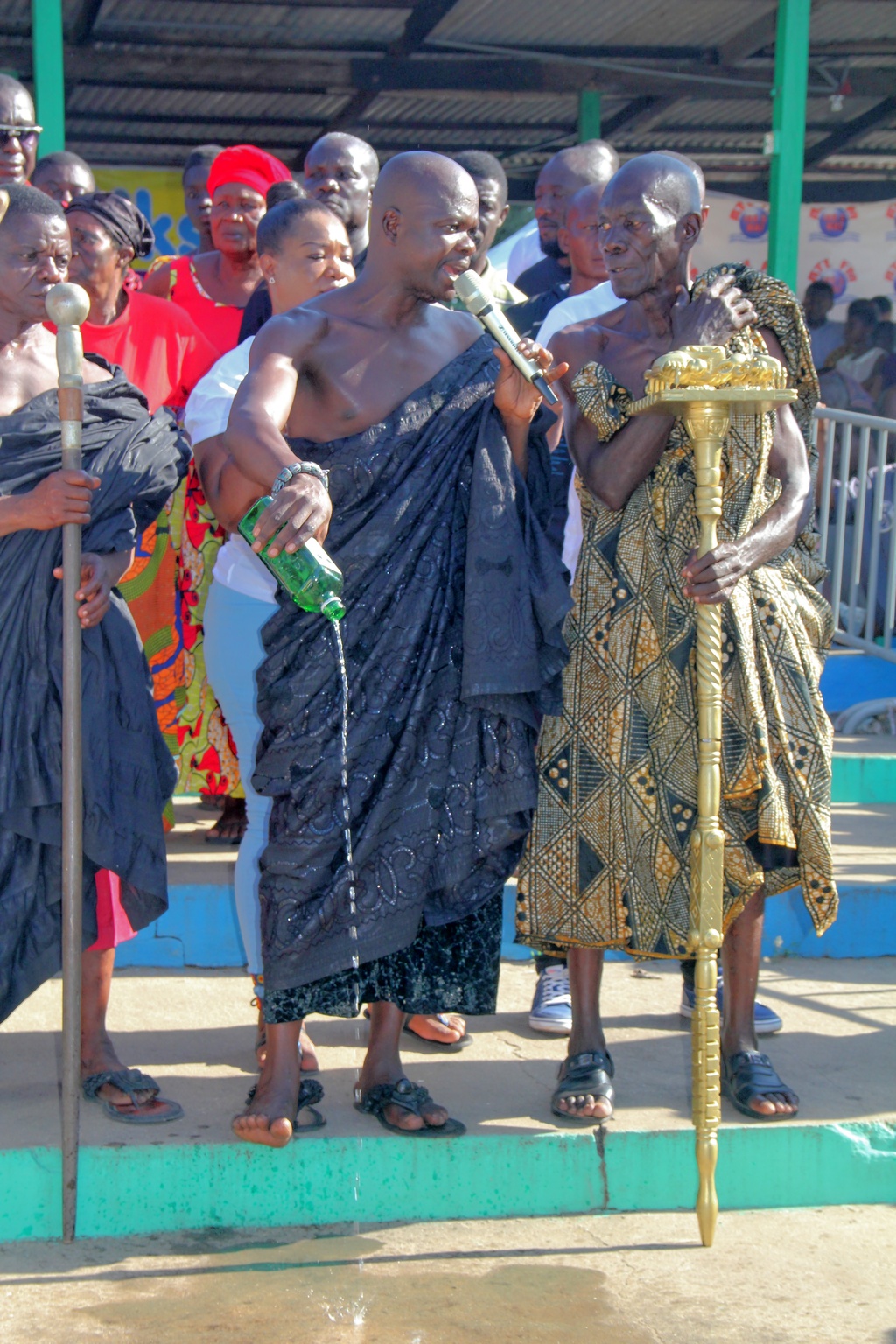
During the he Oguaa Fetu Afahye Festival, the custodians of Fosu Lagoon (Amissafo) of Oguaa Traditional Area also pour libation at the estuary of the lagoon (c) Remo Kurka
How the 77 Gods Shape the Festival
During Fetu Afahye, the gods are not merely remembered; they are invoked. The priests call upon them one by one, offering libation and prayers. This ritual is the spiritual engine of the festival. It is the moment when the living acknowledge the unseen forces that have shaped their past and continue to watch over their future.
The invocation is done in a specific order known only to the traditional priests. Each name carries weight. Each god receives its due respect. This is why the festival cannot begin without the lagoon rites and the sacred silence — the gods must be honoured before the celebrations can unfold.
Guardians of Land, Sea, and Community
The gods of Oguaa reflect the identity of Cape Coast itself — a town shaped by the ocean, the lagoon, the land, and the people who live between them.
Some gods are:
Sea guardians, protecting fishermen and guiding canoes.
Lagoon spirits, connected to purification and renewal.
Warrior gods, tied to Asafo companies and defence.
Market gods, ensuring prosperity and balance.
Family protectors, watching over households and lineage.
Ancestral spirits, linking the living to those who came before.
This diversity mirrors the complexity of Cape Coast’s history — a place of trade, conflict, migration, and cultural blending. The gods are the spiritual memory of all these experiences.
The Crab: Symbol of Oguaa Identity
Among all symbols associated with Cape Coast, none is more iconic than the crab. It appears on Asafo flags, cultural regalia, and traditional emblems. The crab is the official symbol of Oguaa — a representation of resilience, adaptability, and protection.
The crab moves sideways, never in a straight line. This reflects the wisdom of navigating life’s challenges with flexibility rather than force. It lives both on land and in water, symbolizing Cape Coast’s dual identity as a coastal town shaped by both the sea and the land. Its claws represent defence and readiness, echoing the strength of the Asafo companies.
In the context of the 77 gods, the crab is the visual signature of Oguaa’s spiritual identity.
Why the 77 Gods Matter Today
In modern Cape Coast, the gods remain central to community life. They are honoured during festivals, consulted during crises, and respected in daily rituals. Their shrines are maintained by priests and Asafo companies, ensuring that the spiritual balance of the town remains intact.
For visitors, understanding the 77 gods offers a deeper appreciation of Fetu Afahye. The festival is not just colour and celebration — it is a spiritual renewal, a moment when the community reconnects with its ancestral guardians.
A Living Pantheon
The 77 gods of Oguaa are not relics of the past. They are part of a living tradition that continues to shape Cape Coast’s identity. Their presence is felt in the lagoon rites, the libation ceremonies, the Asafo procession, and the sacred silence that precedes the festival.
To understand Oguaa is to understand its gods. To understand Fetu Afahye is to understand the spiritual world that sustains it.
The 77 gods are the heartbeat of Cape Coast — unseen, but always present.