The Colonial Ban and the Sacred Silence Before Fetu Afahye
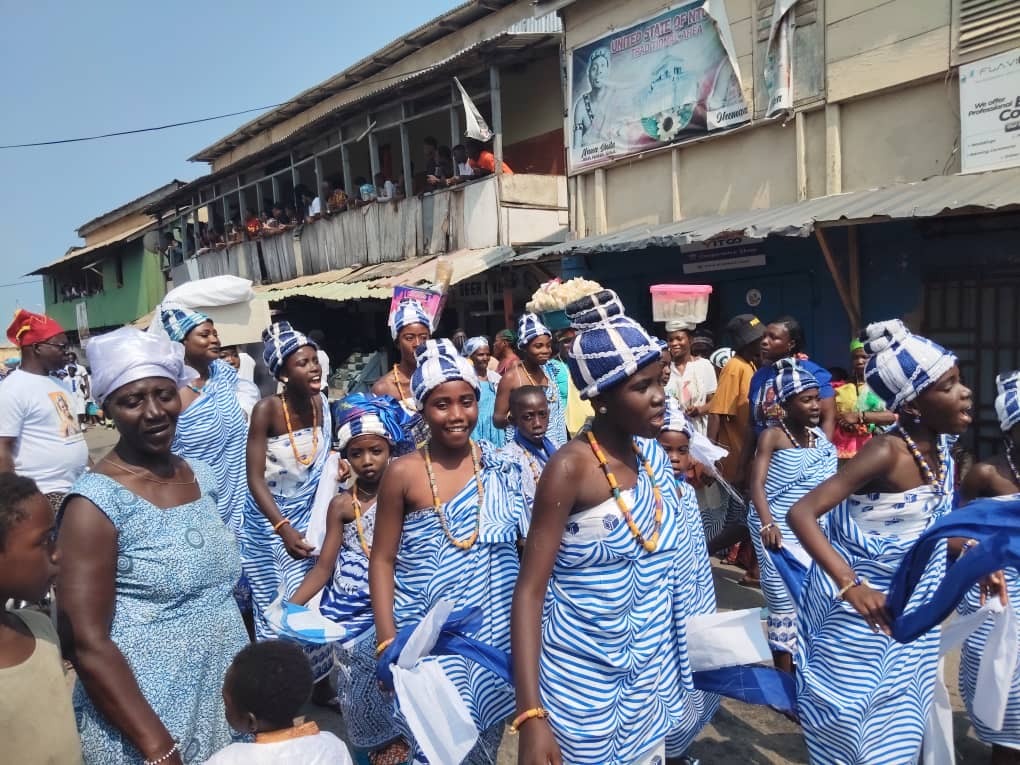
Remo Kurka - There was a time when the Fetu Afahye Festival faced open hostility from the colonial administration. In those years, the celebration was dismissed and even branded as “Black Christmas,” a label meant to portray the festival as something dark, chaotic, or undesirable. The intention was clear: to undermine a tradition that held deep meaning for the people of Oguaa. Yet the festival endured. It survived the ban, resisted the stigma, and continued to grow into one of Ghana’s most vibrant expressions of identity and heritage.
Oguaa - Cape CoastSearch our Network. Start here.
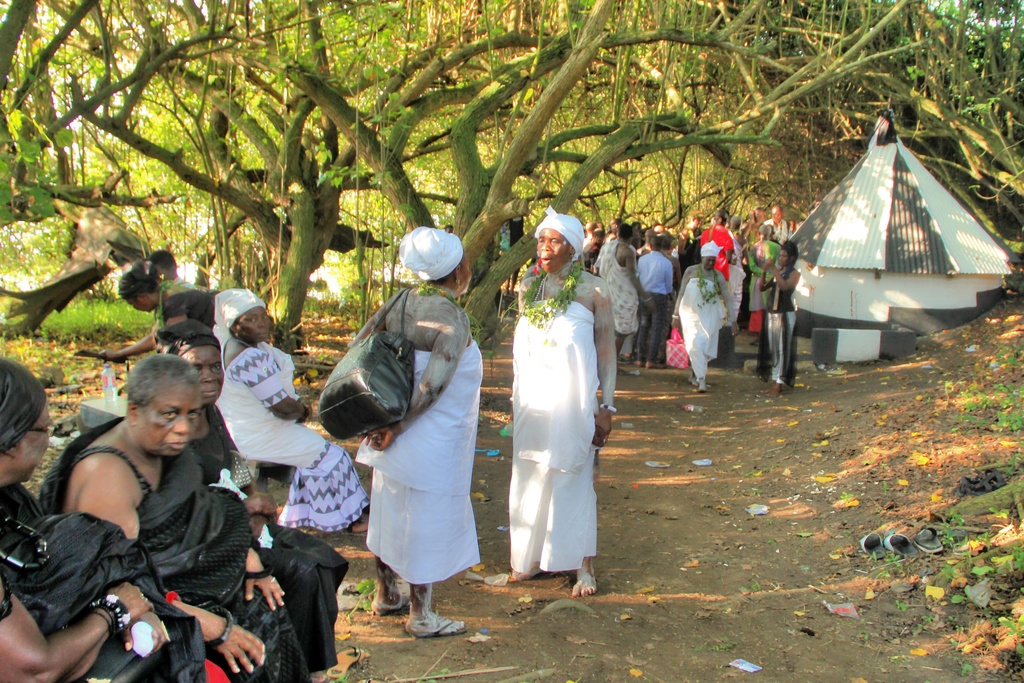
Sacred rituals, during the Oguaa Fetu Afahye Festival, the custodians and leaders, chiefs (c) Remo Kurka
Today, Fetu Afahye stands not as a relic of the past but as a living celebration of culture, unity, and spiritual renewal. Its rituals are rooted in centuries of practice, and one of the most important elements is the period of sacred silence that precedes the festival. In the days leading up to the celebrations, Cape Coast enters a deliberate calm. Drumming stops. Dancing pauses. Loud music is discouraged. The community embraces a quiet atmosphere that allows the gods to be honoured properly and prepares the town for the rituals to come.
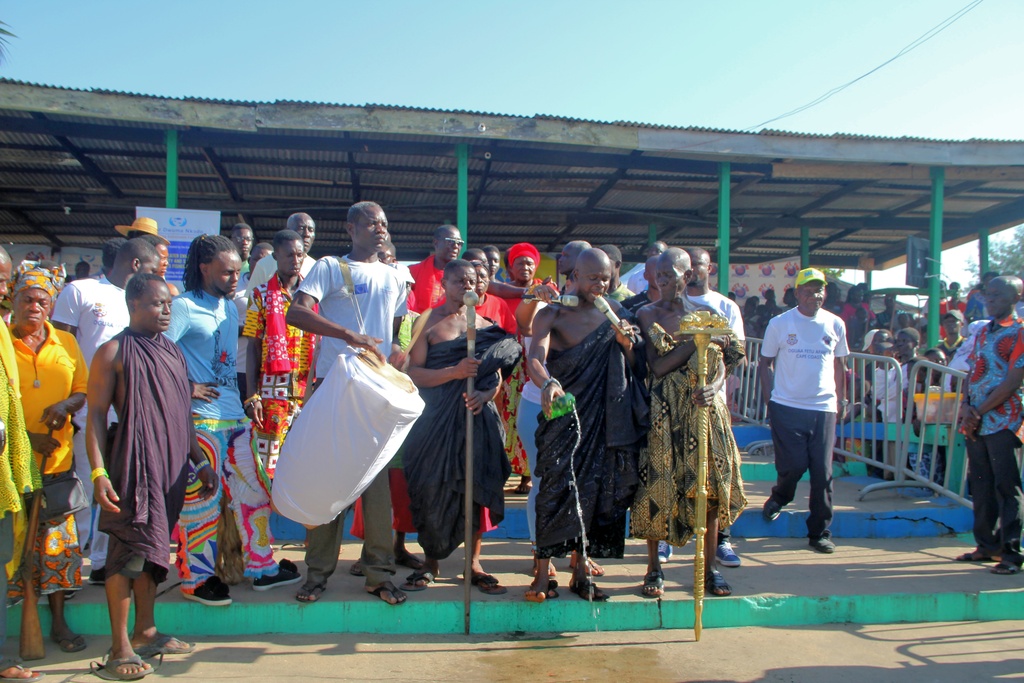
During the he Oguaa Fetu Afahye Festival, the custodians of Fosu Lagoon (Amissafo) of Oguaa Traditional Area also pour libation at the estuary of the lagoon (c) Remo Kurka
This silence extends to the Fosu Lagoon, the sacred body of water that lies between the Government Central Hospital and the area known as Aquarium. Fishing in the lagoon is strictly forbidden during this time. The ban is not merely symbolic — it is a gesture of respect, acknowledging the lagoon’s spiritual role in the festival. The water must remain undisturbed so that the priests can perform the opening rites, pour libation, and call upon the gods without interference.
These traditions, once misunderstood and even suppressed, now stand proudly at the heart of Fetu Afahye. They remind visitors and locals alike that the festival is more than colour and celebration. It is a spiritual journey, a moment of renewal, and a powerful affirmation of the cultural strength of the Oguaa people.