The Sacred Foundations of Oguaa: History, the 77 Gods, and the Symbol of the Crab
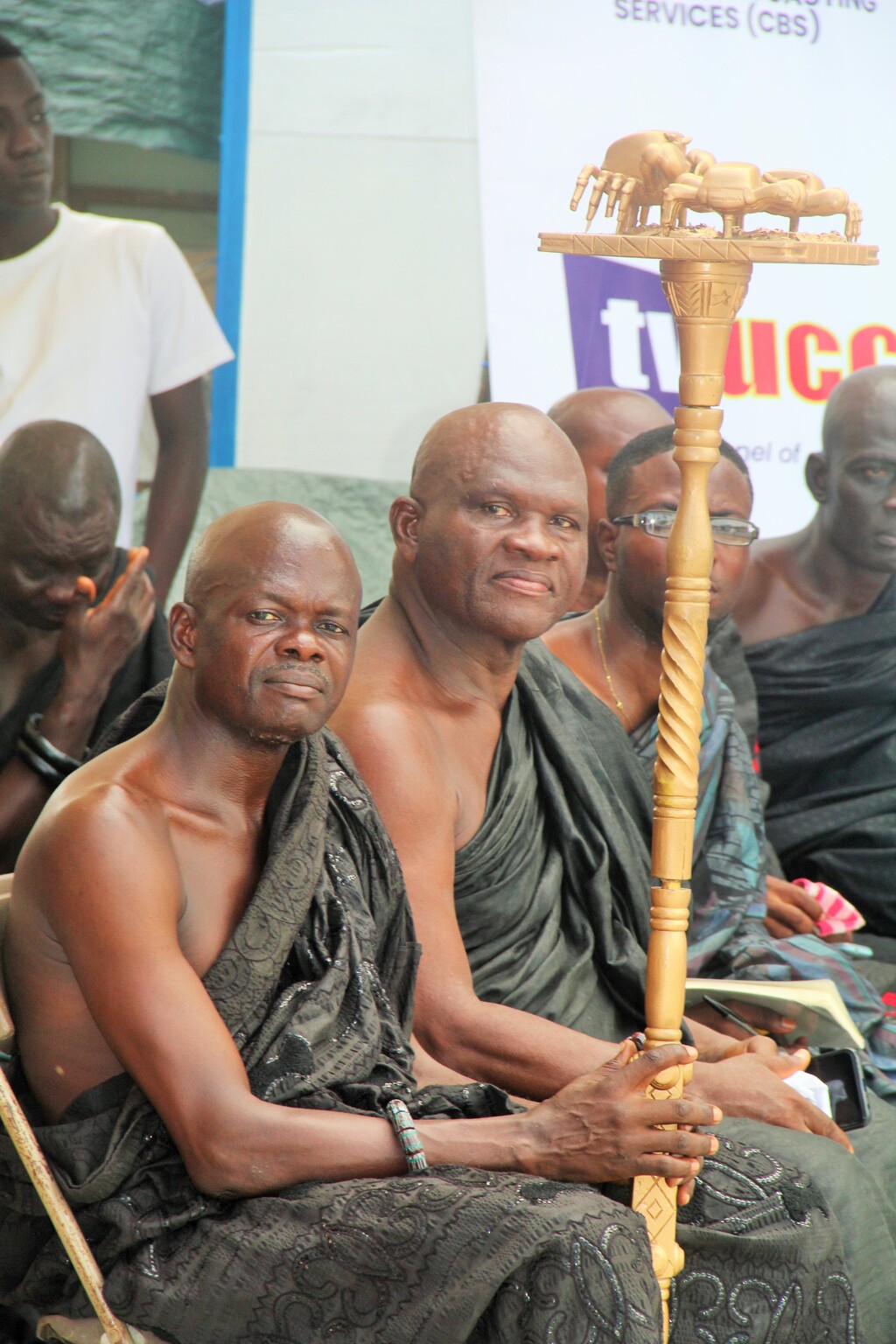
Remo Kurka - The Oguaa Fetu Afahye Festival carries a history far deeper than its colourful processions and vibrant celebrations suggest. It is a festival shaped by resilience, spiritual devotion, and the unbroken identity of the people of Cape Coast. At its core lies a traditional framework that survived colonial suppression, cultural misunderstanding, and decades of change — yet remains one of Ghana’s most powerful expressions of heritage.
Oguaa - Cape CoastSearch our Network. Start here.
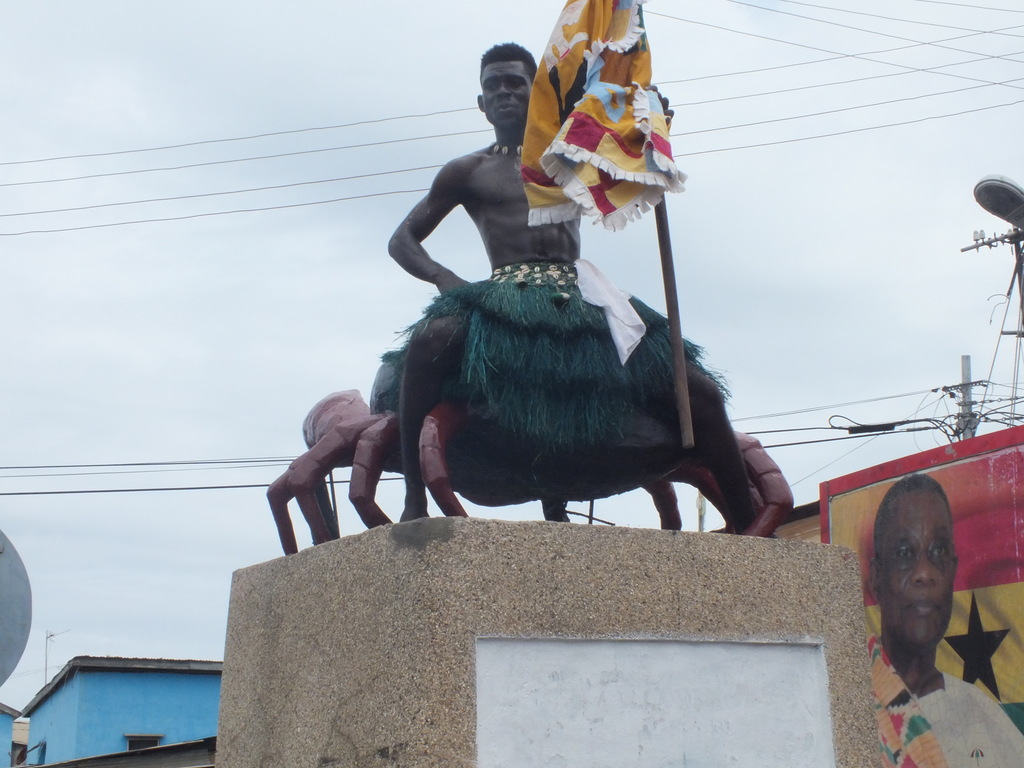
Oguaa Fetu Afahye Festival, The Crab: Symbol of Oguaa IdentityAmong all symbols associated with Cape Coast, none is more iconic than the crab. The crab is the emblem of the Oguaa people (c) Remo Kurka
A Festival Once Banned: The Era of “Black Christmas”
During the colonial period, the British administration viewed many indigenous festivals with suspicion, and Fetu Afahye was no exception. The celebration was once banned outright, dismissed as unruly and labelled “Black Christmas” — a name meant to portray it as chaotic, undesirable, or even dangerous. This label reflected the colonial misunderstanding of African spirituality, where rituals, drumming, and communal gatherings were often misinterpreted as threats rather than cultural expressions.
But the people of Oguaa did not abandon their heritage. The festival endured quietly, preserved through oral tradition, priestly custodianship, and community memory. When the ban was eventually lifted, Fetu Afahye returned not weakened, but strengthened — a symbol of cultural survival and identity.
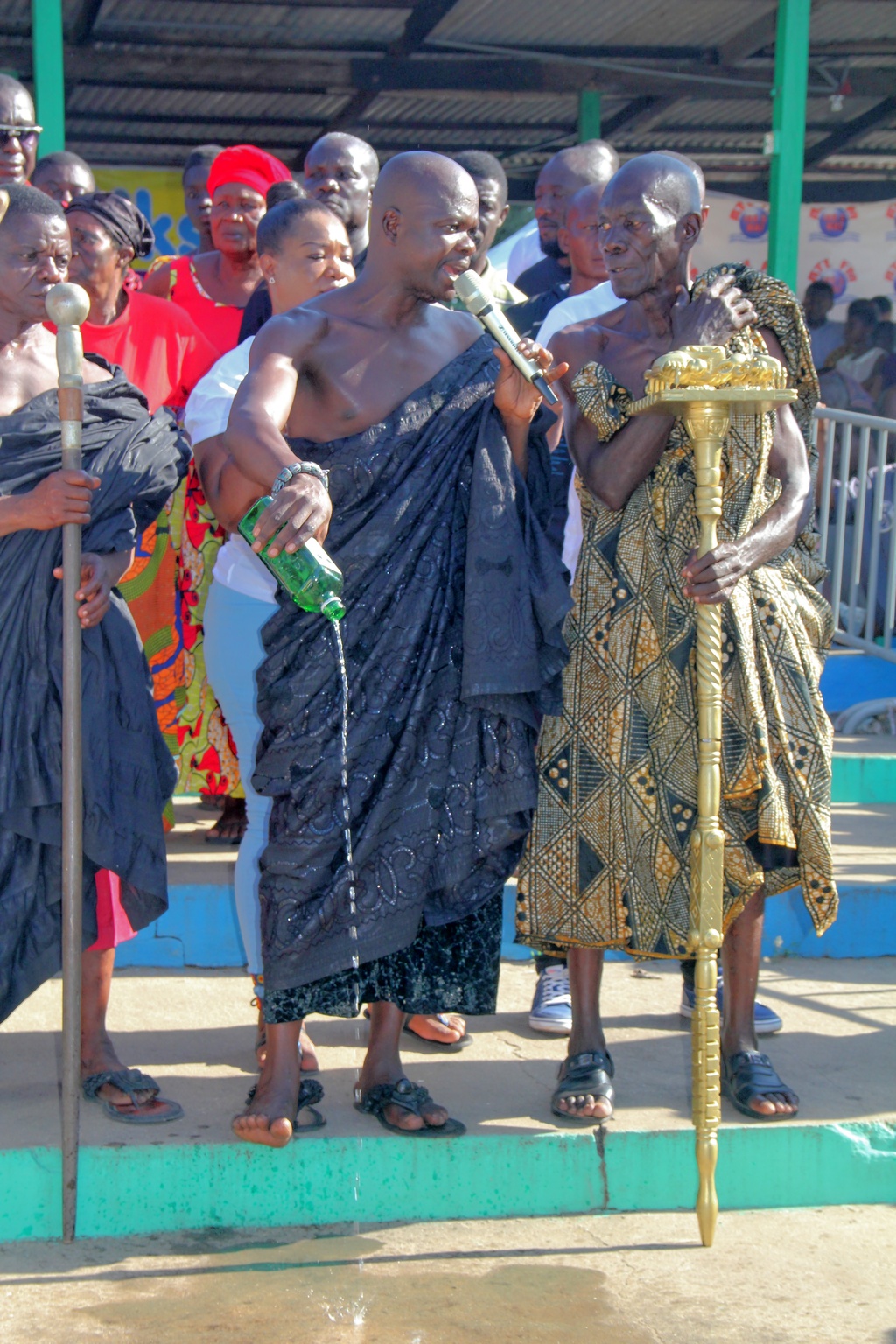
During the he Oguaa Fetu Afahye Festival, the custodians of Fosu Lagoon (Amissafo) of Oguaa Traditional Area also pour libation at the estuary of the lagoon (c) Remo Kurka
The Sacred Silence Before the Festival
One of the most important elements of Fetu Afahye is the period of sacred silence that precedes the celebrations. In the days leading into the festival, Cape Coast enters a deliberate calm. Drumming stops. Dancing pauses. Loud noise is discouraged. Even fishing in the Fosu Lagoon — the sacred waterway stretching from the Government Central Hospital to the area known as Aquarium — is forbidden.
This silence is not simply a rule; it is a spiritual preparation. The lagoon must remain undisturbed so that the priests can perform the opening rites, pour libation, and call upon the gods without interference. The entire town participates in this quiet, acknowledging that the festival is not only a celebration but a moment of reverence.
The Meaning of the 77 Gods of Oguaa
Central to the spiritual identity of Cape Coast is the pantheon of seventy‑seven gods, each representing a unique aspect of protection, guidance, history, and ancestral memory. These deities are not abstract symbols — they are woven into the daily life of the community. Some are guardians of the sea, others protect families, markets, warriors, or specific neighbourhoods. Together, they form a spiritual network that has guided Oguaa for centuries.
During the festival, priests invoke each god by name, offering libation and prayers. This ritual is the heart of Fetu Afahye. It is a moment when the living acknowledge the unseen forces that have shaped their past and continue to watch over their future. The invocation of the 77 gods is a reaffirmation of identity — a declaration that Oguaa’s heritage is alive and honoured.
The Crab: Symbol of Oguaa Identity
Among all symbols associated with Cape Coast, none is more iconic than the crab. The crab is the emblem of the Oguaa people, appearing on traditional regalia, Asafo company flags, and cultural insignia. Its meaning is deeply rooted in the town’s history.
The crab represents resilience, adaptability, and protection. It moves sideways, never in a straight line — a reminder that survival often requires flexibility and wisdom. It lives both on land and in water, symbolizing the dual identity of Cape Coast as a coastal community shaped by both the sea and the land. The crab’s claws signify defence and readiness, reflecting the strength of the Asafo companies and the protective spirit of the town.
To the people of Oguaa, the crab is not just an animal. It is a cultural signature — a symbol of who they are.
A Living Heritage
The traditional framework of Fetu Afahye — the sacred silence, the lagoon rituals, the invocation of the 77 gods, and the symbolism of the crab — reveals the depth behind the festival’s public celebrations. These customs survived colonial suppression, modern change, and the passage of time because they speak to something essential: the identity of the Oguaa people.
Today, visitors who follow the festival day by day gain not only an understanding of its events but a glimpse into the soul of Cape Coast. Fetu Afahye is not simply a festival. It is a spiritual journey, a renewal of identity, and a celebration of heritage that continues to define Oguaa.