THE TRADITIONAL FRAMEWORK (Cultural Context) of the Oguaa Fetu Afahye Festival
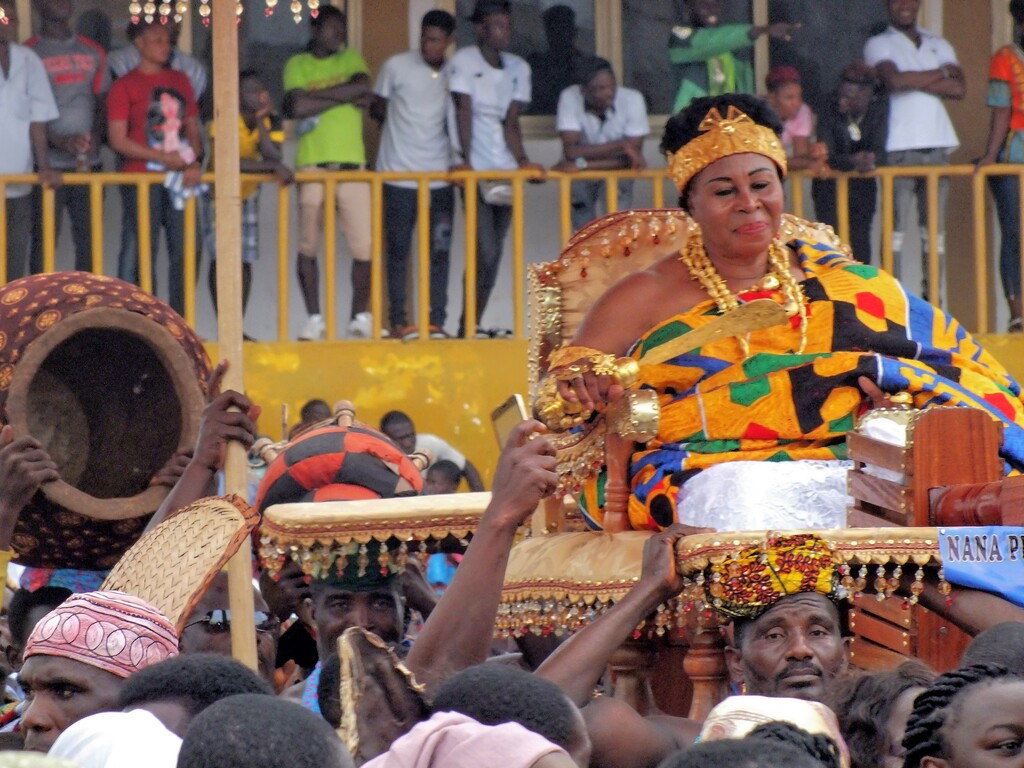
Remo Kurka - The Oguaa Fetu Afahye Festival rests on a deep spiritual foundation that shapes every ritual and every moment of celebration. Beneath the colour, music, and public festivities lies a sacred structure that has guided the people of Oguaa for generations. These customs are not symbolic decorations; they are living practices that bind the community to its ancestors, its gods, and its identity.
At the centre of this framework is the Omanhene’s ritual confinement. In the days leading into the festival, the chief withdraws from public life and enters a period of spiritual preparation. He consults the ancestors, undergoes purification rites, and remains out of sight. His absence is not a retreat but a sacred duty, ensuring that he emerges ready to lead the community through the festival with renewed strength and ancestral blessing.
Oguaa - Cape CoastSearch our Network. Start here.
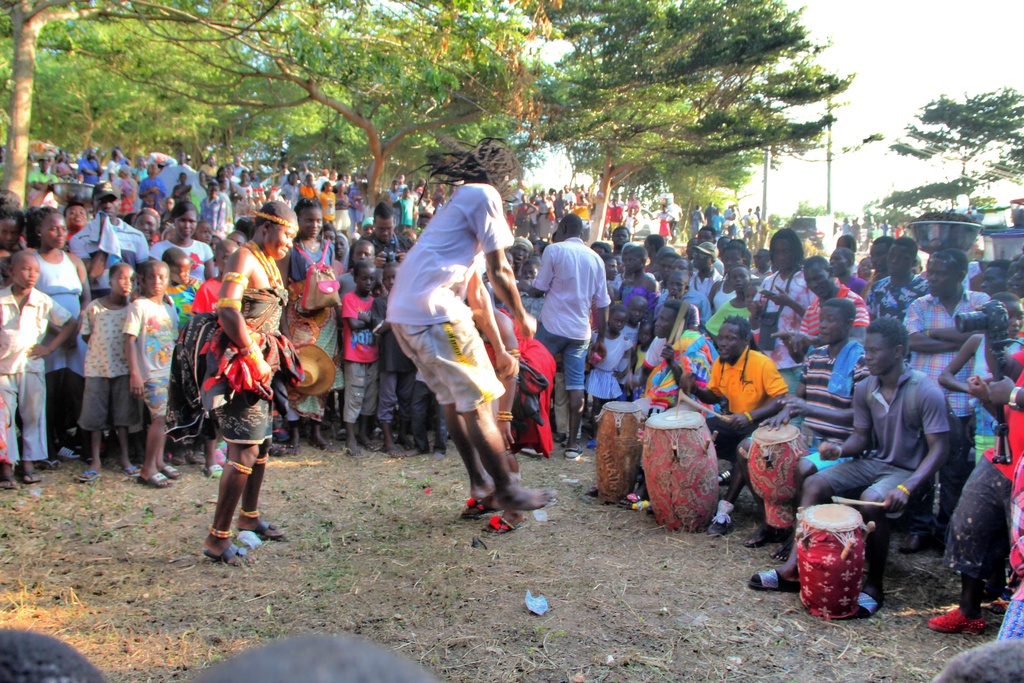
During this sacred period, the town enters a state of intentional quiet. Drumming and dancing cease, loud noise is discouraged, and even fishing in the Fosu Lagoon is halted. This silence is not imposed for discipline but for reverence. It creates a spiritual stillness that allows the gods to be honoured properly and prepares the community for the rituals that follow. The lagoon itself becomes a protected space, waiting for its ceremonial opening.
The festival’s spiritual intensity rises as the week begins. In 2026, the lagoon rites take place on Monday, 31 August — not because it is a “last Monday,” but because it is the first day of the festival cycle. As evening falls, the chief priests gather at the Fosu Lagoon. Through dance, chants, and invocations, they open the lagoon spiritually and call upon the gods. This night marks the true beginning of the festival, when the boundary between the physical and spiritual worlds becomes thin and the lagoon becomes a vessel of ancestral memory.
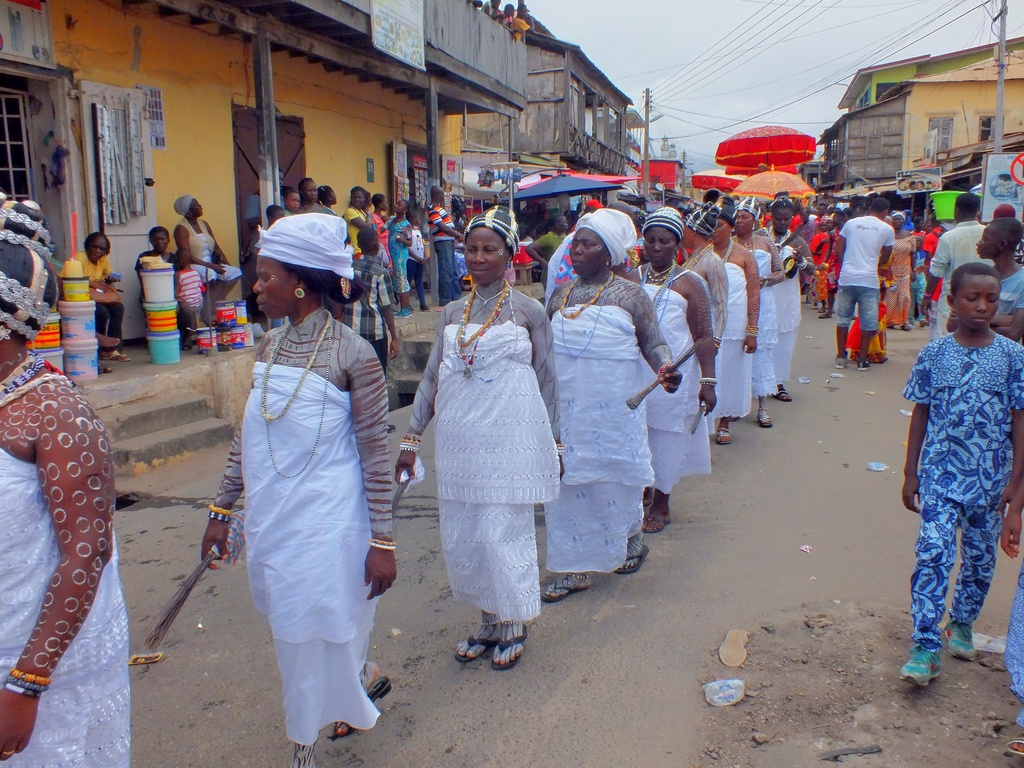
The following day continues this sacred work. Libation is poured to honour the seventy‑seven gods of Oguaa, and the lagoon is opened physically through the canoe race. The regatta is not merely a competition; it is a ritual act that completes the lagoon’s opening. Once the race is finished, the lagoon is declared open for the community, and the festival’s energy begins to spread through Cape Coast.
As the week progresses, the rituals deepen. Families with twins gather for blessings, fishermen catch symbolic fish that serve as omens for the year, and a cow is led from the market to Cape Coast Castle in a procession that connects the festival to the ancestral centre of Oguaa. On Thursday night, priests and community members gather at the town centre, honouring the local gods through drumming, dancing, and spiritual movement that continues until morning. This night is one of the most powerful expressions of Oguaa’s living heritage.
Friday morning brings the cow‑head ritual, in which the gods are fed and the shrines are blessed. By afternoon, the city transforms into a sea of orange as Orange Friday begins. This modern addition to the festival has become a vibrant celebration of youth, colour, and community pride, blending seamlessly with the traditional framework that surrounds it.
The festival reaches its climax on Saturday, when Asafo companies and chiefs move in procession from Enfantepim Junction to Victoria Park. The grand durbar brings together traditional authority, cultural groups, and thousands of spectators. It is the moment when the entire city becomes a living museum, displaying the full richness of Oguaa’s heritage.
On Sunday, the festival closes with a joint Christian thanksgiving service at Victoria Park. This peaceful gathering reflects the harmony between tradition and modern faith in Cape Coast. Although the public celebrations end here, the deeper traditional rites continue quietly into Sunday night and Monday morning, completing the spiritual cycle of the festival.
The Oguaa Fetu Afahye Festival is not simply an event. It is a spiritual journey, a renewal of identity, and a reaffirmation of the bond between the living and the ancestors. With this timeline, visitors can follow the festival day by day, understand its meaning, and experience the soul of Oguaa in its full depth.